The textile industry is one of the most water polluting and consuming activities there is. Powerful statement to start a blog with I know – but did it get your attention?
After World War 1 Germany led the way in synthetic dyes, they were inexpensive enough to mass produce colourful, patterned fabrics for homes and to use as clothing. Natural dyes that had been used for centuries had quickly been forgotten only to be used by countries who were unable to gain access to this new phenomenon. Little thought was given to the impact this process would have on the world, and it went full steam ahead to what we still know now, this throw away society from the latest clothing trends to seasonal house décor.
During the colouration process, a significant percentage of the dye does not bind to the fabric and is lost to the wastewater stream. 10-15% dyes are released into the environment during dyeing process making the waste highly coloured and aesthetically unpleasant. Public perception of water quality is influenced by the colour. So, the removal of colour from wastewater is often viewed as more important than the removal of the soluble colourless toxic substances. That is a horrific thought, but one that rings true to so many of us. I know I far prefer to jump in the sea if its crystal clear, with golden sands that I can physically see than jumping into the merky sea water we find in the UK!
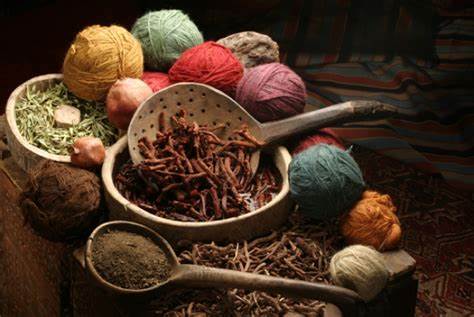
Organic manufactures are investigating ways to treat their clothes with dyes made from organic materials and bacteria, rather than chemical treatments. These treatments are both safer for the environment, for the workers and for our own skin. Natural dyes are made from plant and animal sources, such as indigo, cutch, weld, madder and cochineal, but also require exorbitant amounts of water usage. The natural dyes can create similar colours to those made synthetically, but the benefits to health and the environment allow them to be a far better choice as they have a carbon neutral footprint.
In relation to our own sustainability and eco-friendly mission, here at The Loft we wanted to understand this impact.
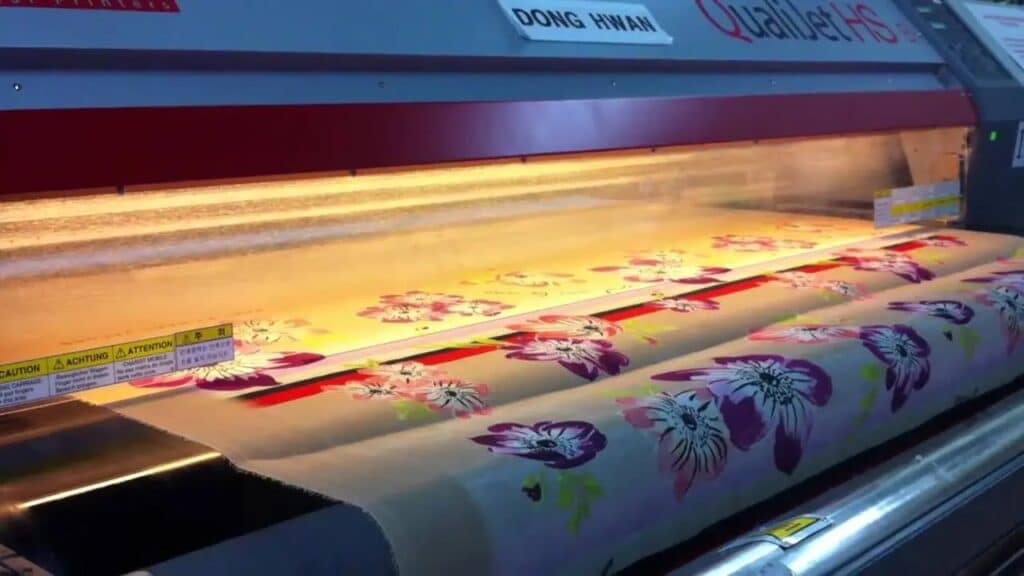
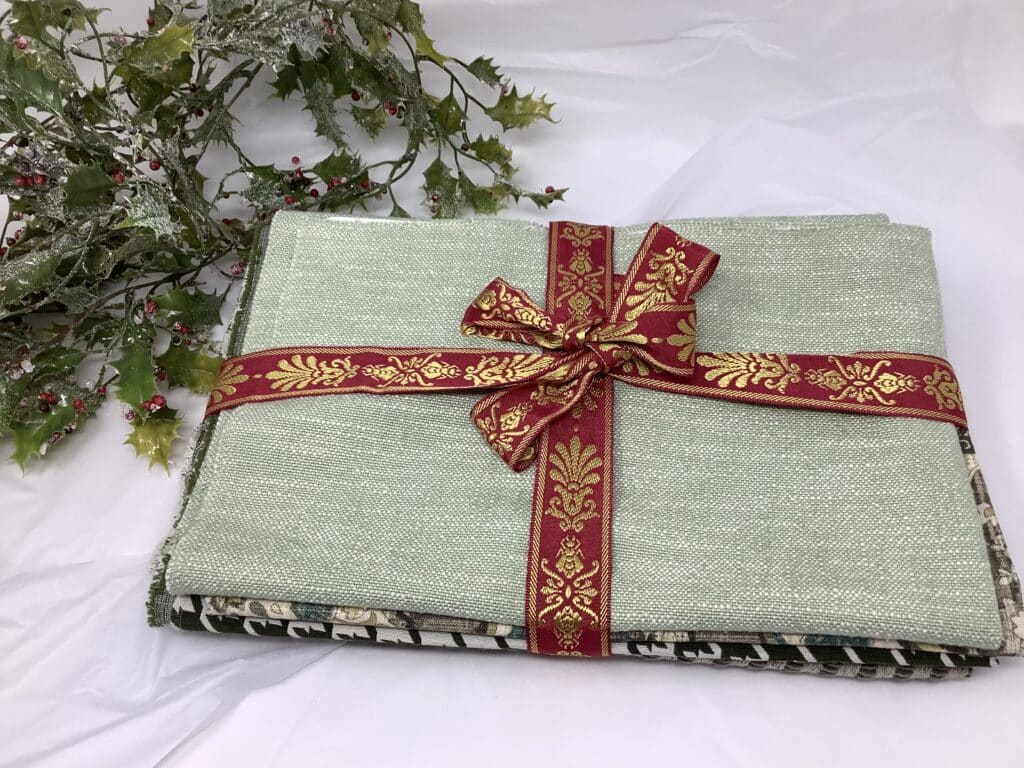
By purchasing remnant bundles rather than seeing them sent to landfill, you are helping reduce the chemical footprint the textile industry is known for. The fabric is already printed, it is ready for you to use in your home, rather than commissioning a new digitally printed roll and adding to that toxicity issue.
We are adding to our remnant bundles all the time, so do check out the collection.
On our bid to remain sustainable and eco-friendly, we have spent this week looking into ways to use remnant fabrics as insulation in our homes. We all admire the glistening frost across the fields and we huddle up from the icy winds and enjoy hot chocolate but it is leaving our homes a tad bit chilly. Cracking up the heating is a necessity this time of year – but is it?
Energy prices are through the roof, we have all felt the pull on the purse strings these past few months with the increase in prices. Is it set to get worse? If it is, we are at hand to help you find ways to keep your home snuggly and warm over the Christmas period, in a sustainable way!
So grab a warm mince pie, get under a throw and let’s talk wool and hide.
Sheep wool insulation is probably the best insulation material as far as the environment goes. It is entirely renewable, as sheep can be sheared at least once a year, and the supply keeps on growing back.
It is recyclable and can even be washed and used for other purposes, and due to its natural makeup, it does not need any industrial processes to prepare it for use. It will also break down naturally when disposed of.
Let’s Talk Sheep
Sheep are renowned for their ability to make it through the coldest of winters, in farms, fields and mountains. They have got it down to a tee, their fluffy woollen coats give them the ability to fend off the snow, the wet and the coldest of breezes. The elements are thrown at them and they catch it in the fibres of their wool and go about their day. It has been a proven insulation method for as long as humans have been farmers.
The Mongolians Nomads live out the most treacherous of winters using this simple concept. From woollen clothing, sheep skin rugs on the floor and even woolly art for the walls of their Gerrs, the Mongolian Nomads waste no wool in insulating their winter homes.
How can we use these techniques in our modern homes to create a warm, cosy atmosphere?
Throws/Blankets
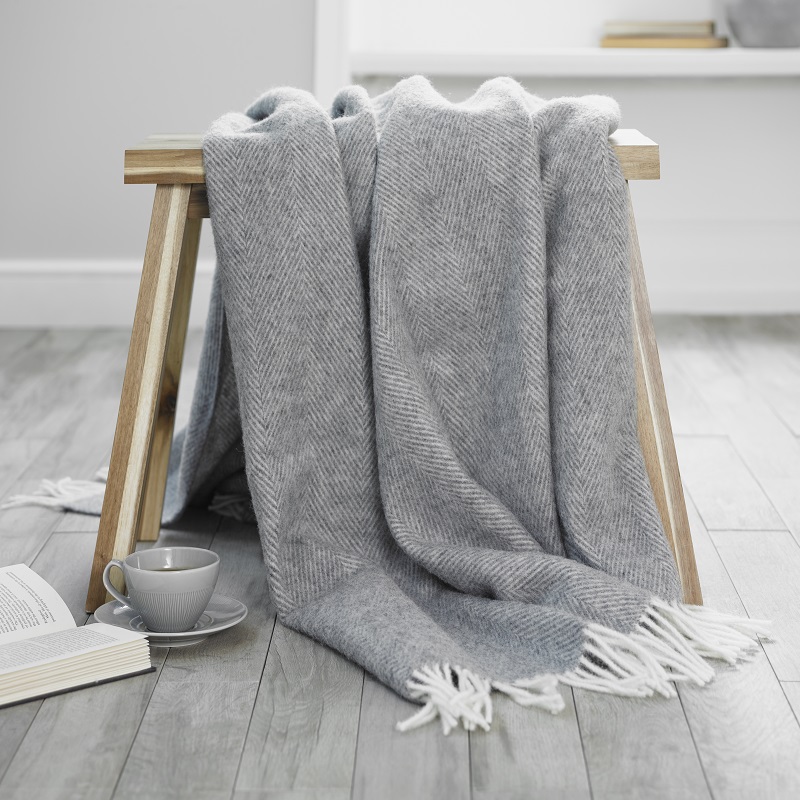
Throws and blankets are a great way to add texture and visual warmth to a room. If you are worried about buying woollen throws don’t be. Wool has a natural protective waxy coating to its fibres, think of it as having its very own built-in stain protector.
Rugs
Wooden or hard flooring is very on trend but they are cold and the dust bunnies can be a nightmare. However, opting for a rug made from wool can help reduce floating dust as its fibres are able to trap and hold it. The warmth and softness when you step on a woollen rug is like nothing else. Have them scattered in the areas of your home you spend the most time.
Cushions/Pillows
With soft furnishings and accessories, especially for your little ones, safety is paramount. Wool has a high water and nitrogen content which makes it naturally flame retardant. Wool won’t melt, stick or cause burns, and produces less noxious fumes than other materials. So get filling those scatter cushions and remember it will also help keep you warm.
Bathroom Accessories
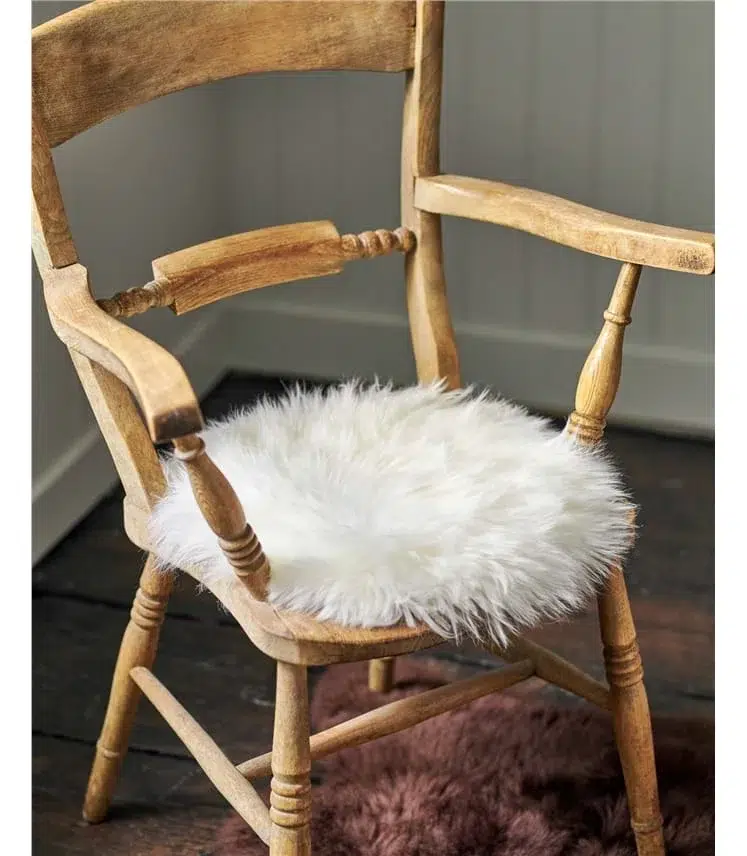
Just like when it’s on a sheep, wool resists water and resists odours, so it performs well in the bath area. A great tip is to cover a stool in a sheepskin and you instantly have somewhere soft and water resistant to sit and dry off.
Upholstery
Woollen upholstery is a great choice, it resists piling and breakings, meaning you are creating something extra durable, which will last the tests of time!
Fleece Bedding
Teddy bedding is very on trend this winter, if you purchase a good quality fleece you will find it is wrinkle free and incredibly soft. Although they should come with a warning as you may not want to get out of your bed in the morning.
There are many ways to use wool in your home; we would love to hear from you as to how you use wool to keep warm and toasty this winter.
In our mission to become more sustainable in the way we use fabrics and create interior looks, here at The Loft we thought it would be interesting to compare the two printing methods most used today, hand block printed vs digital printed fabrics.
There is something to be romanticized about, when imagining our home fabrics being carefully crafted, each pattern being stamped with such care and precision. The “bespoke Ness” of it all, each roll being marginally different, dependent on human factors. The craftsmanship that goes into these fabrics by only the most experienced craftsman is something to be admired. The process must pass high quality standards so, the sheer human effort that goes into each meter is incredible. When you understand or have seen this craft in practice you can really cherish these fabrics.
The process of hand block printing has zero emissions with every roll or garment, which is a huge plus! The craft takes time, and is high in labour, enabling people who are skilled in this dying trade to continue to practice their expertise.
On the other hand, there is more waste, and that is a strong negative, here at The Loft, we have found a solution for this, we do sell slight miss prints from hand blocking, giving our customers the opportunity to purchase high brand fabrics for a fraction of the price. The slight misprints are usually unseen to the eye when the fabric is made into an item, for example, cushions, blinds, curtains, that is unless you are purposely looking for the misprint.
A lot of fabric still goes into landfill unfortunately due to misprints, not just the item itself but the water and the emissions taken to create the unprinted textile in the first place all keeps adding up.
So, it is undecided as to whether these zero emissions practices are the best way to go, we then looked at digital printing – Our main question being, is it really the way of the future for fabric printing?
According to our research, whilst no manufacturing processes are without impact on the environment, digital printing is becoming more ecologically friendly in the United Kingdom’s textile industry.
The running of the machines and the factories themselves, that house the machines in the past, have been high in emissions. With government and council energy grants this has helped ensure this is becoming less as the process is becoming more advanced.
The main benefit is the huge reduction in textile waste, that is heading to landfill and the tiny fibres that head into our oceans.
These factories need less staff to run, which could be seen as a slight negative, but on the other hand staff are being trained in engineering practices to fix and preserve the life of the machines, giving them a higher wage.
The dying process in a digital print requires less harmful dyes and less water than a hand blocking process, creating less hazardous waste for the environment.
In conclusion, we have found both practices have their positives and negatives ecologically, we live in such a fast-paced world, everything is changing in the blink of an eye.
Hand blocking is a time old craft that can still be appreciated and cherished even if more companies are moving over to the digital world.
Choosing a remnant fabric, a second’s bundle or even an “up cycled” piece of furniture from us, here at The Loft, is a great start to creating a sustainable interior. Sustainability is not a new trend or a fad – we believe, it is a lifestyle, one that we are fully embracing.
So much fun is to be had in creating that signature piece in your home. The great thing is, the neighbours will not have it because your “new” unique pieces, have been designed and created by you, with a dash of help from us!
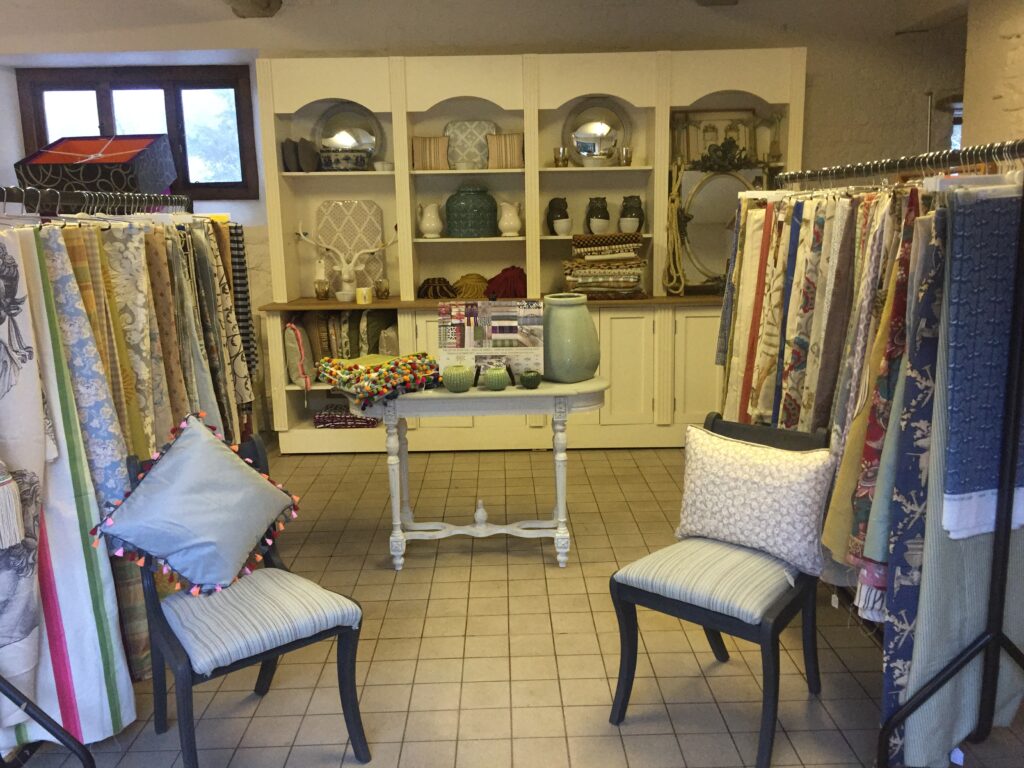
From the minute you step into The Loft to select your remnant pieces or the moment you open up our website, the excitement begins.
Browse our collections and choose the pieces you love, the ones that would really pop, in the room you are sprucing up!
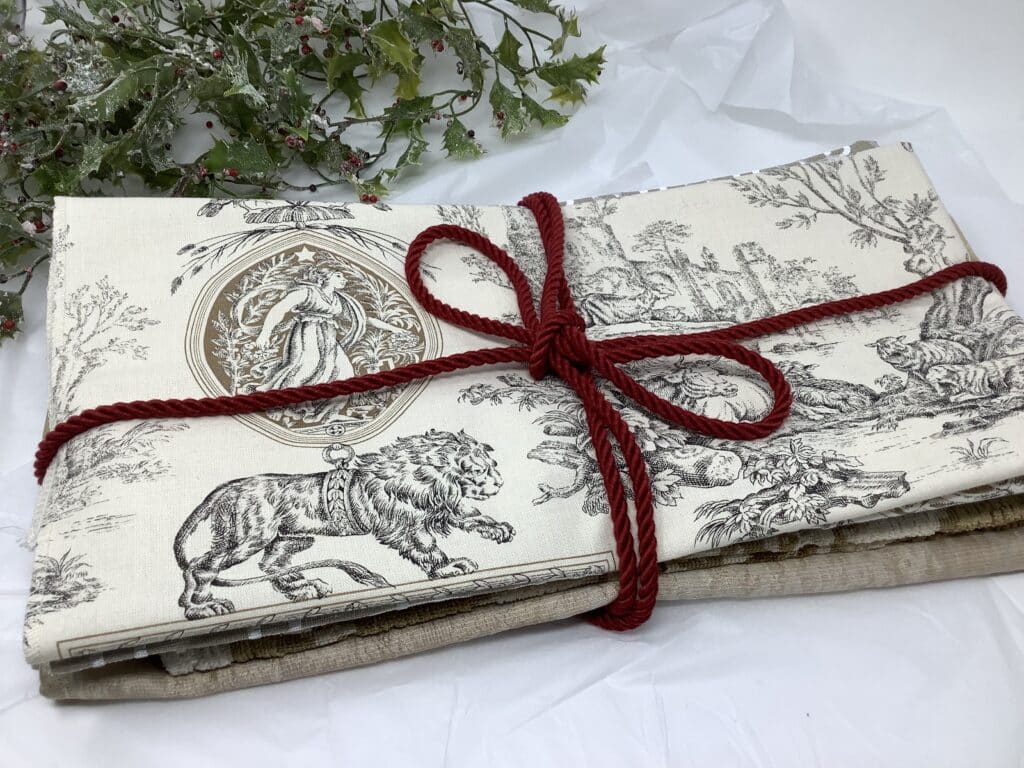
Then the world is your oyster – we have fabric for cushions, ottomans, dining chairs, curtains, throws, sofas, accent chairs, even the sustainable wrapping that goes around your Christmas presents – whatever you need we have you covered, quite literally!
If you are unsure where to start – flick through our blogs, we have lots of fun ideas and how tos, that should see you on your way.
Christmas is only six weeks away, which means lots more extra people in your home, from family to friends. It is the season for visiting and being visited, which is wonderful. So, let’s welcome them in to a home we are proud of.
Six weeks may not be enough time to go the whole hog, so why not concentrate on the smaller areas where the guests are going to sit – the sofa, the dining chairs- recovering them or just adding a new set of scatter cushions will really pack a punch to your room!
In the U.K., 900,000 [metric] tons of used textile waste every year goes to landfill. And of that, half is interior textile waste.
Sarah Cavendish and her team at The Loft at More Hall, are on a mission to have a positive impact on textile waste, by offering customers the opportunity to purchase fabric seconds at a fraction of the cost.
Clothes and interior textiles are responsible for a substantial proportion of water pollution, water waste, greenhouse gas emissions and what you find in landfills. It is horrifying the impact this throwaway trend is having on the air we breathe, the water we drink and on the animals in our oceans.
Here at The Loft, we are using our platform to not only share the information available but to offer a solution, a way we can all get involved and do our bit.
Interior Impact
Many of us are guilty of changing our interior textiles regularly, whether it be to follow trends, seasons or just because we “fancied a change.” We should not feel guilty about this, it is only natural to want to make our home a place we want to be. However, how we go about this can have a small positive impact on the problem at hand and if more of us make slight changes it becomes a significant impact.
We cannot reverse what has happened, but we can be accountable for the steps we take next!
Our Mission
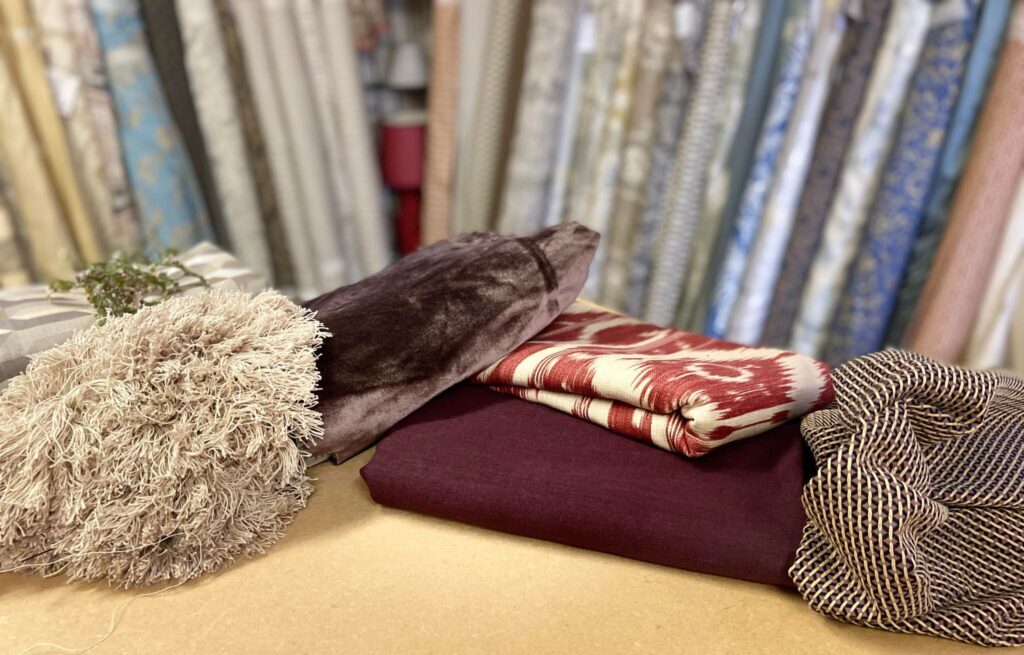
Here at The Loft, we have been able to develop a collection of stunning fabrics from top designers, including Lewis and Wood, Titley and Marr, Christopher Farr, Marvic, Linwood to name a few. The collection is comprised of seconds, end of line rolls, remnants and slight miss prints that would have gone into a skip or incinerated, even though they are fit for use. Sarah has a great relationship with many fabric houses across the country, enabling her to get access to these amazing fabrics for her customers and have a positive impact on the waste epidemic.
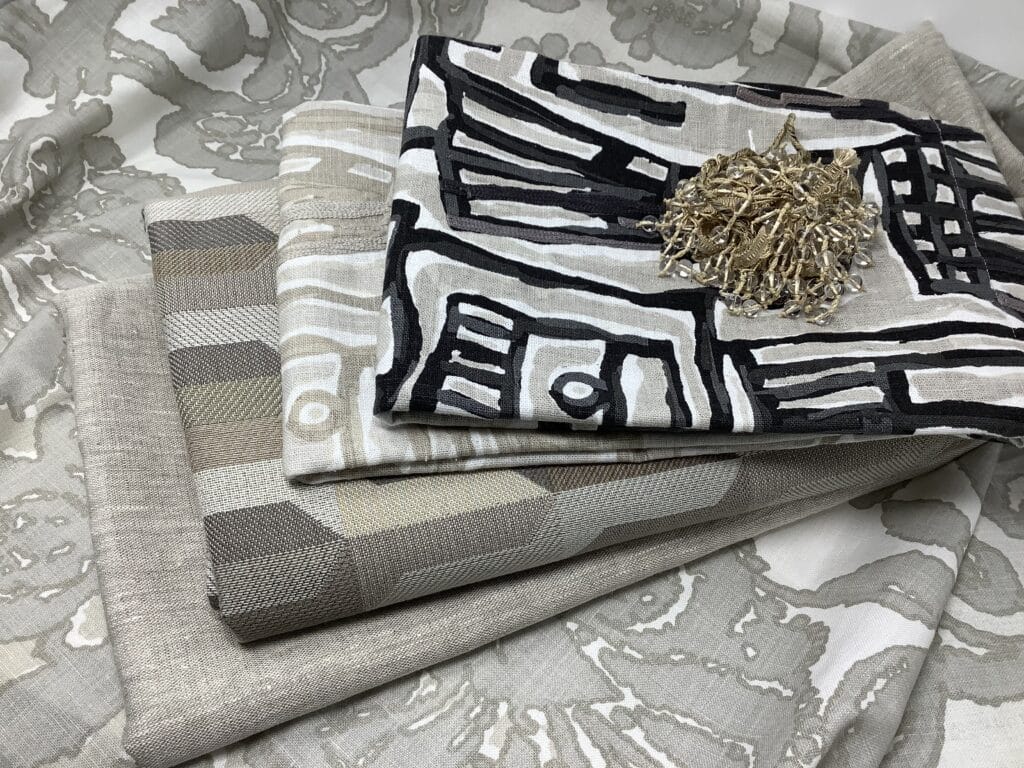
The smaller remnant bundles are perfect for smaller home projects, whether it be to upholster a small chair, cover a cushion or to make a lampshade with. They are priced reasonably, so even If you are following a YouTube tutorial or one of our how to blogs for the first time, they are great to practice with too.
Here at The Loft, we will continue to bring these great fabrics to you so you can create beautiful home interiors in a sustainable way, helping us to ensure nothing from us goes to landfill.
If you need a quick, inexpensive way to decorate your living space, consider framing a piece of decorative fabric for a creative and appealing accent. It’s fast and simple to frame fabric using a picture frame or an embroidery hoop.
Have you ever looked at a textile pattern that you absolutely loved but knew that it wasn’t right for pillows or upholstery in your home? Don’t put it back just yet because it might be the perfect piece to hang on your wall, especially if you love it. Art is meant to be pieces we just simply can not live without on our walls. Irrelevant of what other people think, art has to be loved in our home because at the end of the day it is us that has to live with it on the wall.
Artwork is the last layer to your interior design
Adding a beautiful piece of art to a room is the last layer of decoration that every home needs. But a framed piece can be pricey. Instead of shelling out money for a print or painting, why not frame a gorgeous piece of fabric instead? Not only will fabric add colour and pattern to a room, but it also lends personality. Plus, varying the textures in a gallery wall will add interest and depth to the space.
You can use a favourite piece of fabric that has been passed down in your family or simply a pattern that caught your eye at the fabric shop or maybe a left over piece for your latest re upholstery project. Either way, it’s a great way to display a beautiful textile. Hang one of these prints on your wall as soon as possible to create a gorgeous look! This is an easy project that takes less than an hour to complete, you can even get the kids involved, something to keep them entertained as we are edging to the end of this extremely long extended summer holiday!
How to frame your fabric
1 – Wash and Iron
To give the overall art piece a finished look, remove any wrinkles from your chosen piece of textile
fabric before framing:
Glide an iron over the towel to remove any fold creases and wrinkles.
Crafters working with embroidered fabric with decorative stitching often turn the fabric face-side
down and place it on a soft cloth, then iron it from the backside. This prevents possible damage to
the decorative stitching. If you wish, you can also apply spray starch to the backside to enhance
the stiffness of the fabric.
2 – Position the Fabric
Disassemble the frame and place the mat on a flat, even surface. Lay the fabric out to the desired
position and smooth out any folds to ensure you have everything lined up just right.
3 – Secure Fabric to the Picture Mat
Time to tape it all into place. Use double-faced tape or adhesive tabs to attach the fabric
to the mat:
Peel off the sticky back of the mounting tape and apply to the four corners of the picture mat
then secure the fabric to the tape. This will hold the fabric in place and prevent it from sliding
around when you hang it.
4 -Reassemble the Frame
Reassemble your frame according to manufacturer’s instructions and get ready to hang your new piece
of amazing one-of-a-kind art!
5 – Hang and Admire
You can use your new art as the main focal piece in your kitchen, an accent over your dining room table,
or as part of a living room gallery wall.
Here at The Loft we have a large selection of short pieces perfect for wall art, make an appointment or have
a browse online to see our collection.
You don’t have to know everything about lighting or spend tons of money to make rooms look light and lively.
You do need to know the basics of functional and decorative lighting and how to get help for planning and buying lighting. Lighting design is broken down into three kinds of illumination: general lighting, task lighting, and accent lighting. Mix all three types to achieve decorative lighting.
Ambient Lighting
The terms ambient, task and accent may not mean much to you but odds on you actually have them implemented into your home. Understanding what they mean and the reasons for separating these terms can help to create the perfect lighting balance.
Also known as general lighting, Ambient lighting is an extremely important factor to any home. This type of lightings main aim to emit strong light into the room, leaving the people in the room to see well.
Due to its vital role it’s essential that your ambient lighting promotes a comfortable level of brightness; this means no glare and no unwelcome headaches. Lighting can really play with our eyes, ever stepped into a room full of white light and walked out blinking and needing a nap - that is generally because the light is too harsh.Ambient lighting can come in various styles but it’s core goal is to provide a great distribution of light. Whether it’s a contemporary pendant light fitting or a number of ceiling down lights, ambient lighting needs to be strong, durable and reliable.
Ambient lighting doesn’t have to be boring, as long as the bulb transmits a decent amount of light you can select from a variety of styles.
Task Lighting
Task lighting is what it says on the tin, a light for you to achieve specific goals or to aid you with light in tricky situations or poorly lit areas.
Task lighting is usually dotted around the house where main ambient lighting just isn’t necessary. Task lighting can range from under unit lights, guidance lights in hallways or stair cases and even the much loved table lamps. For instance, if you are looking to add some extra food to your recipe but you need to find some onions and garlic in your messy kitchen cabinet then under cabinet lights will assist you. Under cabinet lights will provide you with a localised light source to help you discover what you require in an instant; rather than relying on a broad light from above which will often supply insufficient light.
Accent Lighting
Accent lighting is for those that want to create extra drama and character to their most cherished areas or objects. Applying accent lighting will draw further attention towards what you want to stand out. These lights are made to tweak the presentation and stature of already existing items or areas within the home or garden.
Many homeowners have items such as sentimental ornaments, special photography, children’s artwork and feature walls that are important to them and their family. Using accent lighting is a great way to enhance these treasured objects, making people well aware of the memories and importance of what they hold closest.
Here in The Loft we have a large range of stunning task lighting, check out our website stock list or book an appointment to pop in to view our stunning collection.
We are well on our way into the summer, the weather has been hit or miss since our glorious heat wave but with lock down easing, and the “new norm” in place we are able to get out a bit more than the previous months of 2020.
We have been enjoying welcoming customers back into The Loft at More Hall and helping you with your interior design needs.
It has been an exciting time here, with lots of new fabrics and accessories arriving, we endeavour to put as many of our fabrics online, so whether you can visit us or not, you are able to access our newest collections. Some of our newest fabrics this week are yet to hit the site so pop on down so you can get a first look at them.
Opening Hours For August
We have a slight change in when The Loft is open as of August. We will be open throughout August on an appointment only basis, returning to normal in September. Our online ordering will remain the same, so do not panic you can still access all of your beloved fabrics here.
Coming up this week we have some beautiful Ikat designs, new to The Loft.
The Beauty of Choosing an Ikat Design
Ikat designs are some of the most widely recognised patterns in the world. Nearly every country and culture has used the design for hundreds of years, making it one of the oldest fashions in history.
Ikat designs are clearly never going out of style. After all, any fashion that’s been around since, roughly, the 6th century is safe to deem fad proof. So it is perfect to incorporate into your home. There is a sophisticated feel to many of the designs and they have a beautiful texture to them.
It is definitely the design you can be happy to splash out knowing Ikat is here to stay, and its awesome look will continue to turn heads. Keep an eye on the site for the launch of our new Ikat designs.
Pop culture may paint a rosy picture of summer nights—hello, Dirty Dancing but on a Wednesday night during July, chances are you are not having a late-night adventure with a handsome holiday rep crush. You’re blasting the tabletop fan, kicking your heavy comforter off your bed, and cursing the sticky weather outside for keeping you awake!
With the right summer bedding, you can forget about the temperature and sleep soundly through the night. Here are our best summer bedding ideas that will make your bed look and feel a little cooler this summer.
Let go of the comfort blanket:
A cooler night’s sleep starts by putting your down comforter into storage along with other dense winter bedding like flannel sheets and thick quilts. The word says it all, comforter, its warm, it is snuggly but letting go of it in the summer will aid those better night’s sleep no matter how out it is outside. A great tip for storing your comforter, once it has been washed and folded, pop a tumble dryer sheet into an air tight bag, so when you remove ready for chilly autumn nights it smells fresh and ready to iron and pop onto the bed.
Instead of bedding that traps heat, opt for lighter options that you will want to spend time in even on the warmest summer mornings. If you are struggling to part with your duvet or comforter. Because, well, they do look inviting, purchase one that you use only in the summer – one that is made from cotton, linen, silk, or any other lightweight fabric. Better still after you put your heavy bedding away, grab sheets, blankets, and pillowcases made from natural fibres like cotton, bamboo, and silk. These materials breathe much better than synthetic options and wick moisture away from your body, so they are perfect for those hazy summer months.
Light and Breezy:
Alongside the fabric type, the colour is also very important, opting for lighter fresher colours is the way forward in the summer, not only does it compliment the season décor change as an added benefit, sheets and blankets in lighter colours absorb less heat during the day. They will stay nice and cool when it is time for you to tuck in for the night. Whether you are trying to refresh your look for the summer or just want to sleep cool and cosy at night, light-coloured bedding is what you need.
We wish you a beautiful summer full of sleep filled nights.
This is a spring we will never forget. But it will pass. How are you managing?
Across the world I think we are all in the situation where we have realised just how unprepared we were for a disaster like Covid 19 to happen.
With the government throwing ideas around about people wearing face masks when out and about, as business start to reopen, at some point we are going to have to go back to a “new norm”, the viruses is not disappearing any time soon and we are going need masks to visit places. Finding washing and correctly fitting masks will start to get harder.
So we have found the perfect pattern for you to either create your own for you and your family, or to help the crisis and create ones for your local nursing homes or maybe create a little side business and sell them.
Whatever you decide to do, we hope that it comes in handy and helps you in these unprecedented times.
The great thing about these masks is you can use up your fabric squares or scraps of material, if you have been a busy sewing bee in lockdown and are out, we at The Loft have a large selection to choose from, or you could use old items of clothing.
Firstly here is a chart that will help you decide on the best material.
Next here is the best pattern we have found for your masks.
Beloved by design enthusiasts and bloggers alike, sage green interiors are incredibly on trend, and you may also agree that this is for good reason, you may have even incorporated into your home and garden already this year. A cool earth tone with hints of silvery grey, sage green is every bit as sprightly as it is sophisticated.
Sage has stormed its way into interior design and homes alike, combined with the growth of indoor foliage, both real and artificial, from succulents to cacti, ferns to giant palms. There is something about bringing the outdoors in that is freshening and comforting.
Sage green is the perfect backdrop for both warm and cool colours. Try with earthy tones like terracotta, cream and dark green, or go cool with grey, blush pink and pale blue.
Colour psychology suggests that different colours can evoke psychological reactions. For example, colour is often thought to have an impact on moods and emotions. Sometimes these reactions are related to the shade of a colour, while in other cases they are the product of experience and culture.
Everyone seems to have different feelings to colour, I personally find blues and greens calming and are mostly found in the relaxing spaces of our home. Yellow and pinks really are my go-to colours that evoke a happy and energetic feeling. Whereas reds and oranges put me slightly on edge in a room. Choosing the colour of a room is more important than most people give it credit for, also explaining why a husband and wife may disagree on colour theme when redecorating as different colours evoke different feelings for everyone.
How does the colour green make you feel? For many people, it has strong associations with nature and immediately brings to mind the lush green of grass, trees, and forests. Perhaps because green is so heavily associated with nature, it is often described as a refreshing and tranquil colour.