

Sustainability and Eco-Friendly
On our bid to remain sustainable and eco-friendly, we have spent this week looking into ways to use remnant fabrics as insulation in our homes. We all admire the glistening frost across the fields and we huddle up from the icy winds and enjoy hot chocolate but it is leaving our homes a tad bit chilly. Cracking up the heating is a necessity this time of year – but is it?
Energy prices are through the roof, we have all felt the pull on the purse strings these past few months with the increase in prices. Is it set to get worse? If it is, we are at hand to help you find ways to keep your home snuggly and warm over the Christmas period, in a sustainable way!
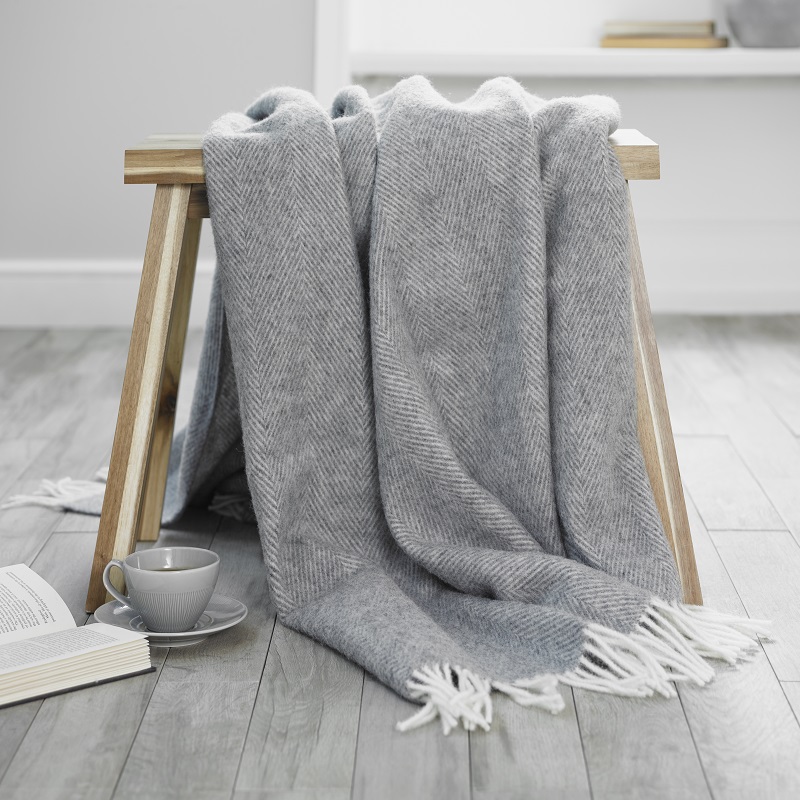
So grab a warm mince pie, get under a throw and let’s talk wool and hide.

Sheep wool insulation is probably the best insulation material as far as the environment goes. It is entirely renewable, as sheep can be sheared at least once a year, and the supply keeps on growing back.
It is recyclable and can even be washed and used for other purposes, and due to its natural makeup, it does not need any industrial processes to prepare it for use. It will also break down naturally when disposed of.
Let’s Talk Sheep
Sheep are renowned for their ability to make it through the coldest of winters, in farms, fields and mountains. They have got it down to a tee, their fluffy woollen coats give them the ability to fend off the snow, the wet and the coldest of breezes. The elements are thrown at them and they catch it in the fibres of their wool and go about their day. It has been a proven insulation method for as long as humans have been farmers.
The Mongolians Nomads live out the most treacherous of winters using this simple concept. From woollen clothing, sheep skin rugs on the floor and even woolly art for the walls of their Gerrs, the Mongolian Nomads waste no wool in insulating their winter homes.
How can we use these techniques in our modern homes to create a warm, cosy atmosphere?
Throws/Blankets

Rugs
Wooden or hard flooring is very on trend but they are cold and the dust bunnies can be a nightmare. However, opting for a rug made from wool can help reduce floating dust as its fibres are able to trap and hold it. The warmth and softness when you step on a woollen rug is like nothing else. Have them scattered in the areas of your home you spend the most time.
Cushions/Pillows
With s
Bathroom Accessories
Just like when it’s on a sheep, wool resists water and resists odours, so it performs well in the bath area. A great tip is to cover a stool in a sheepskin and you instantly have somewhere soft and water resistant to sit and dry off.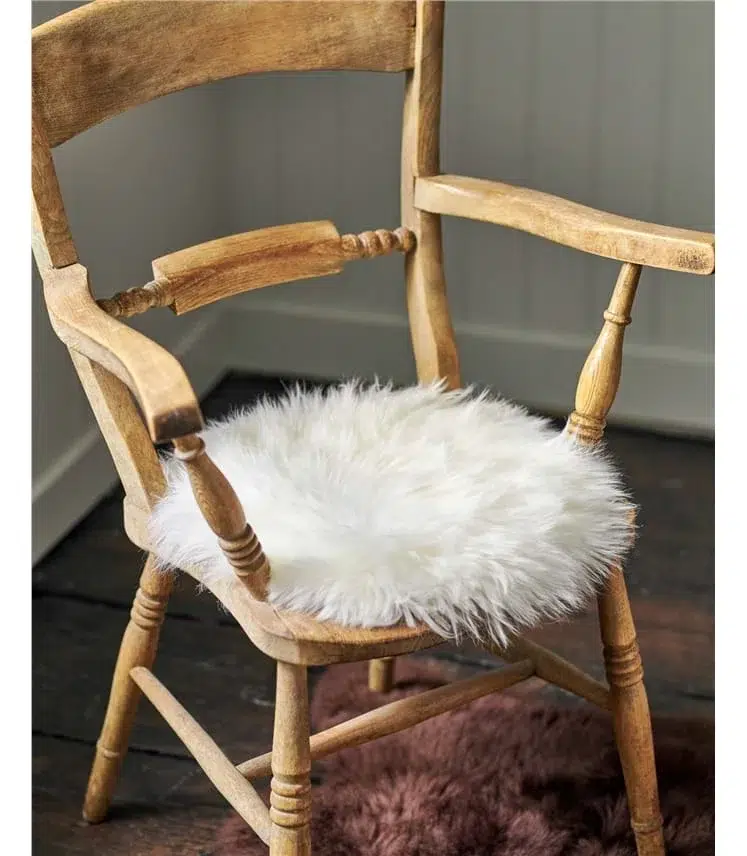
Upholstery
Woollen upholstery is a great choice, it resists piling and breakings, meaning you are creating something extra durable, which will last the tests of time!
Fleece Bedding
Teddy bedding is very on trend this winter, if you purchase a good quality fleece you will find it is wrinkle free and incredibly soft. Although they should come with a warning as you may not want to get out of your bed in the morning.
There are many ways to use wool in your home; we would love to hear from you as to how you use wool to keep warm and toasty this winter.


